
The trend of green transformation and carbon emission reduction is driving Vietnamese businesses to gradually replace traditional fuels (coal and oil) with biomass fuel.
The 4 most common biomass fuels used in Vietnam:
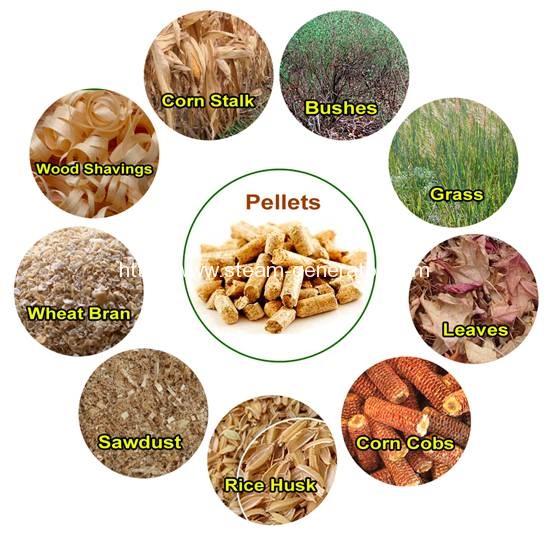
1. Wood Pellets
- Raw materials: sawdust, wood shavings, rubberwood, acacia wood.
- Calorific Value: 4,200 – 4,600 kcal/kg
- Moisture Content:< 10%
- Ash Content: <2%

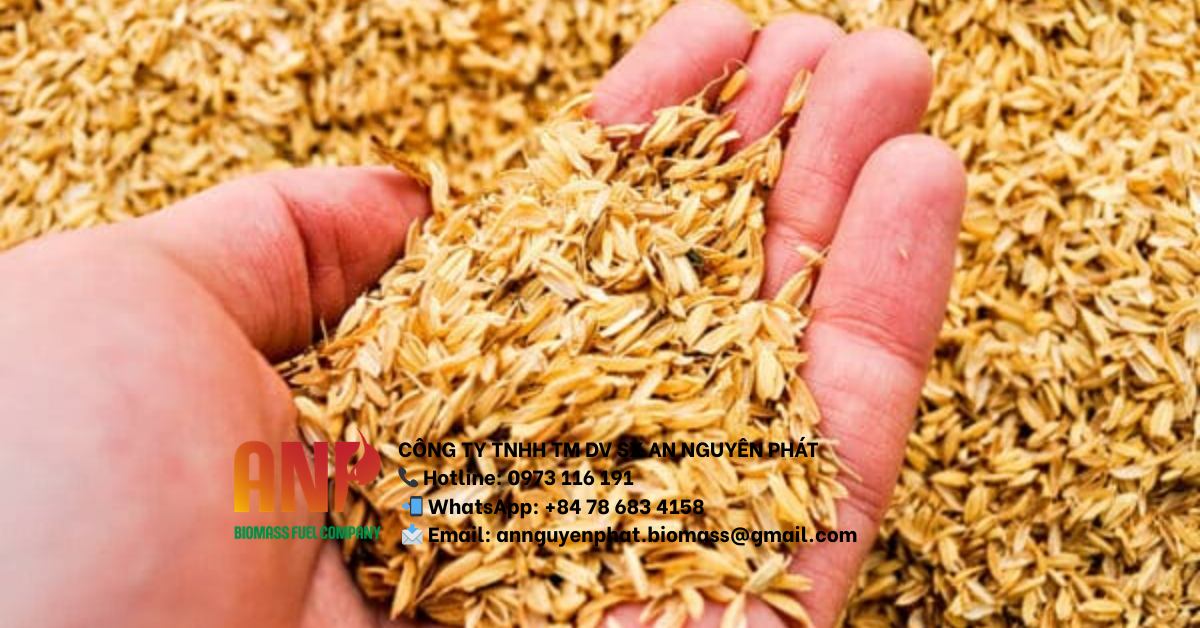
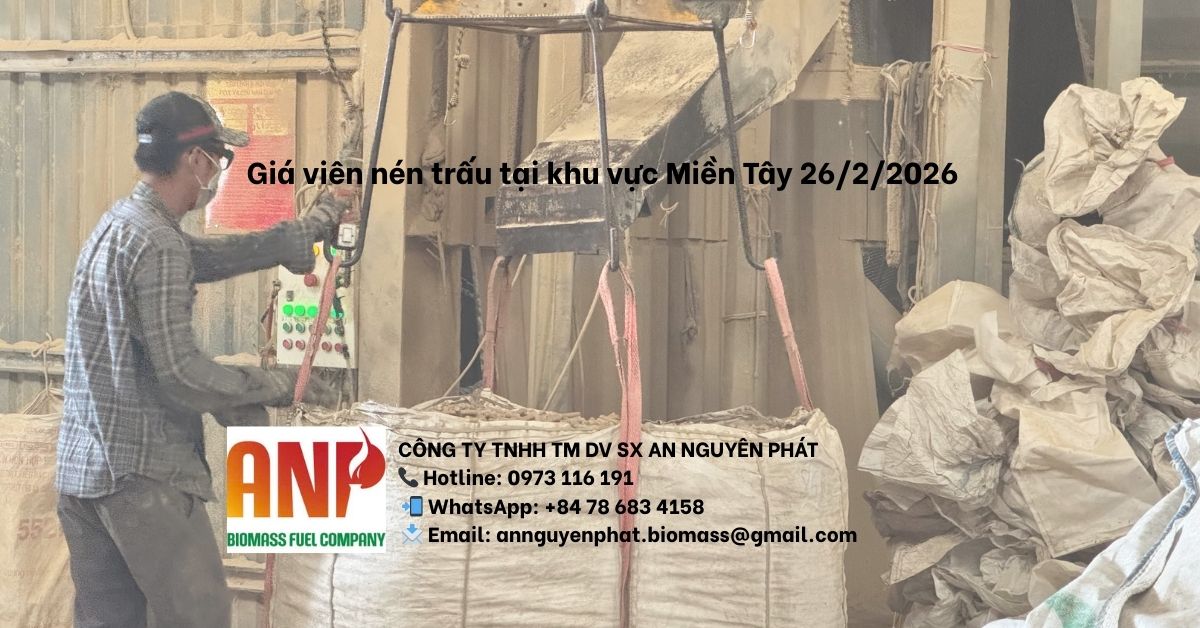
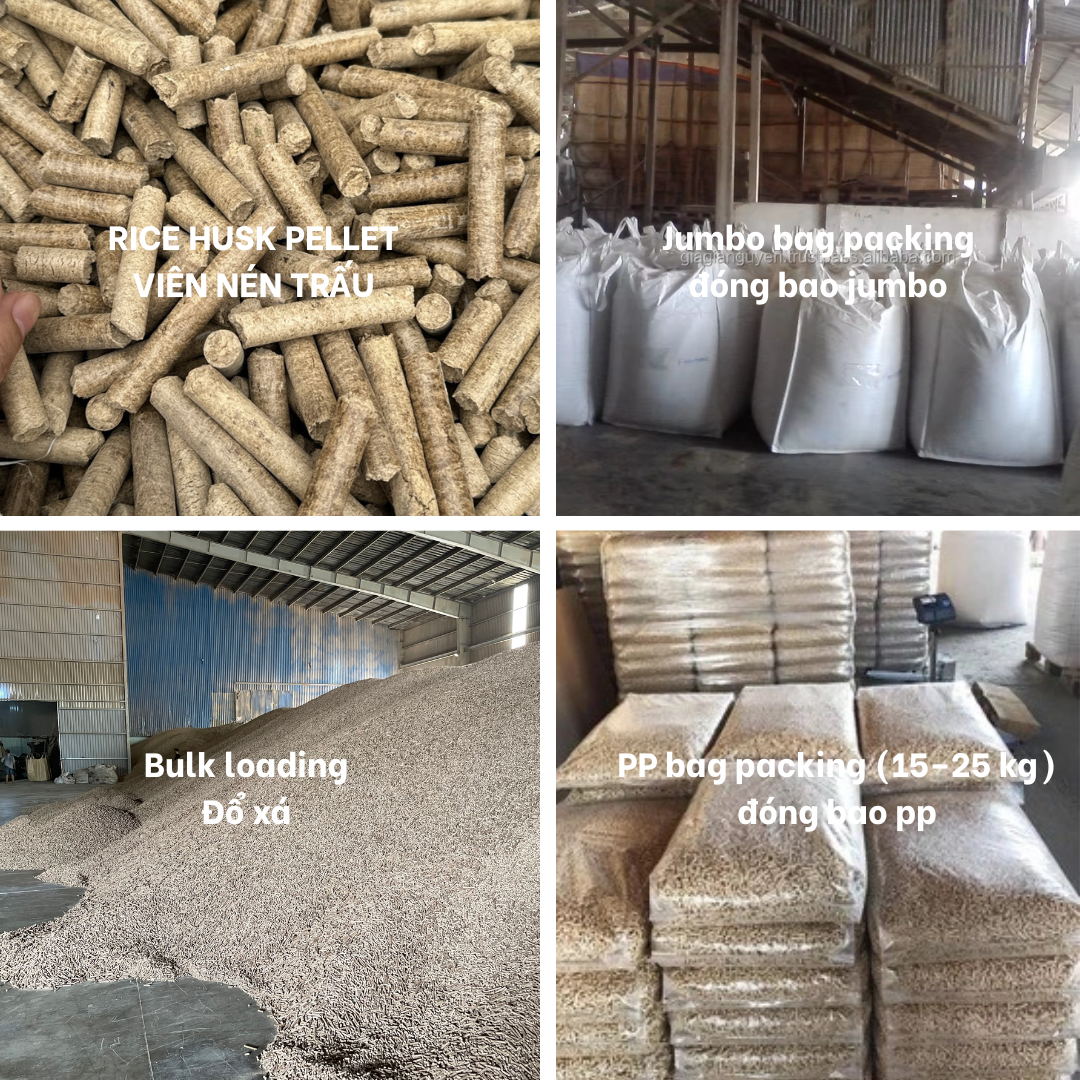
2. Rice Husk Pellets
- Raw materials: rice husk from rice milling factories.
- Calorific Value: 3,600 – 4,000 kcal/kg
- Moisture Content: < 12%
- Ash Content: 12–18%
✅ Advantages: low cost and abundant supply in the Mekong Delta region.
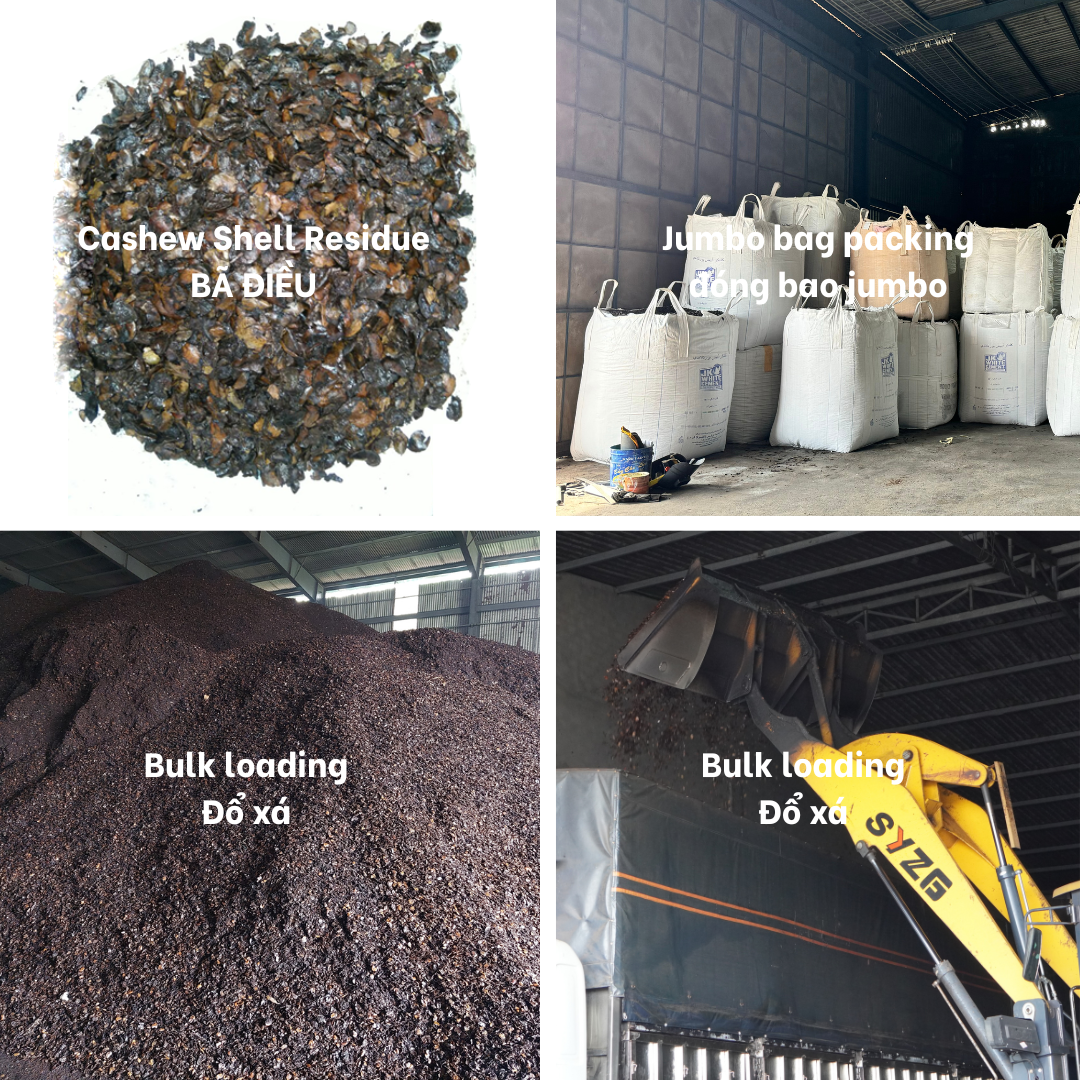
3. Cashew Shell Biomass
- Raw materials: cashew shells after oil extraction.
- Calorific Value: >4,600 kcal/kg
- Moisture Content: < 12%
- Ash Content: < 3%
✅ Advantages: high heat generation, more competitive pricing than wood pellets, and stable year-round supply.
4. Wood Chips
- Raw materials: acacia wood, rubberwood, wood offcuts, tree stumps, and branches.
- Calorific Value: 3,800 – 4,200 kcal/kg
- Moisture Content: 30–50%
✅ Advantages: low cost, suitable for large-capacity chain grate boilers and fluidized bed boilers.

Conclusion:
Depending on the boiler type, heat requirements, and fuel budget, businesses can select the most suitable biomass fuel option.